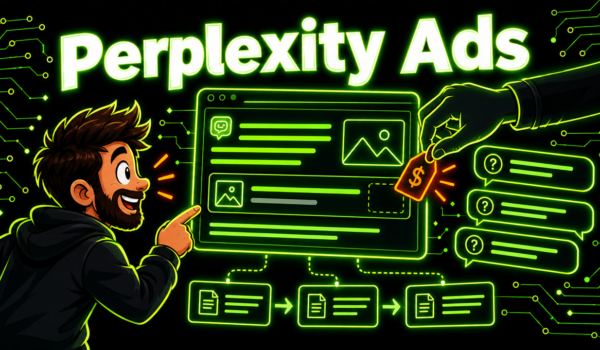
Perplexity ads were sponsored placements that Perplexity tested inside its AI answer engine, mainly as “sponsored follow-up questions” shown next to answers and paid media placed to the side. Perplexity launched the program in the United States in November 2024 and then wound it down, with executives confirming in early 2026 that the company was stepping back from advertising to protect trust in its answers. Today, brands that want to reach Perplexity users generally cannot buy native Perplexity ads. Instead, they earn visibility by being cited as sources in Perplexity’s answers.
This guide covers how Perplexity ads worked, why Perplexity pulled back, and what marketers can do now to show up on Perplexity without a paid placement.
Why marketers paid attention to Perplexity ads
Perplexity attracted a research-minded audience: people who wanted sourced answers rather than a page of links. Many used it for work, product research and technical questions. For advertisers, that looked like a valuable, high-intent audience in a setting with little competition for attention.
Perplexity ads also offered a new kind of placement. Instead of a banner, the sponsored follow-up question nudged the user’s next question toward a topic the brand cared about. A job site could sponsor a question about improving a résumé. A grocery chain could sponsor a question about fresh desserts. The format fit the way people use AI search: one question leads to the next.
What advertisers learned from Perplexity ads
The test produced lessons that apply to any ad format inside AI answers.
Scale was limited
Perplexity’s audience was growing but far smaller than Google’s or ChatGPT’s. Advertisers used to large reach found it hard to spend meaningful budgets.
Measurement was immature
Advertisers wanted clear proof that sponsored questions drove sales or leads. Attribution tools were still basic, which made Perplexity ads harder to justify against established channels.
Users noticed
Some users who chose Perplexity for neutral answers objected to sponsored content, even when it was labeled. That reaction fed into the company’s later decision.
Context mattered more than reach
Sponsored questions worked best when they matched what the user would naturally ask next. Loosely related sponsors felt out of place.
How Perplexity ads worked
Perplexity’s ad test centered on a format built for AI search. Under or beside an answer, Perplexity normally shows suggested follow-up questions. Advertisers could sponsor one of those questions, and it would appear with a “sponsored” label. When a user clicked it, Perplexity generated an answer to that question.
Search Engine Land’s coverage of the Perplexity ads launch noted that answers to sponsored questions were generated by Perplexity, not written by the brand. Perplexity also said it would not share users’ personal information with advertisers. Early partners included Indeed, Whole Foods Market and agencies such as Universal McCann and PMG. Reports at the time described pricing on a cost-per-thousand-impressions basis.
Alongside sponsored questions, Perplexity offered paid media placements positioned to the side of answers, including video, also labeled as sponsored.
Timeline of Perplexity ads
| When | What happened |
|---|---|
| Mid 2024 | Perplexity tells advertisers it plans to sell sponsored follow-up questions |
| November 2024 | Perplexity ads launch as a US test with sponsored follow-up questions and side placements |
| 2025 | Reports describe limited scale and slow advertiser uptake; leadership changes on the ads team |
| Late 2025 | Reports say Perplexity stopped taking on new advertisers |
| Early 2026 | Executives confirm the company is winding down advertising and focusing on subscriptions |
Exact dates for each step vary between reports, but the direction is clear: Perplexity tested ads, found the trade-offs difficult and moved away from them.
Why Perplexity stepped back from ads
Perplexity built its brand on giving direct answers with citations. Executives said advertising, however clearly labeled, risked making users question whether answers were influenced by sponsors. For a product whose main promise is trustworthy answers, that doubt was costly.
There were practical issues as well. Industry coverage described limited ad inventory, unclear return on investment for advertisers and challenges in scaling a new format. Meanwhile, Perplexity’s subscription and enterprise products offered a revenue path that did not depend on advertisers.
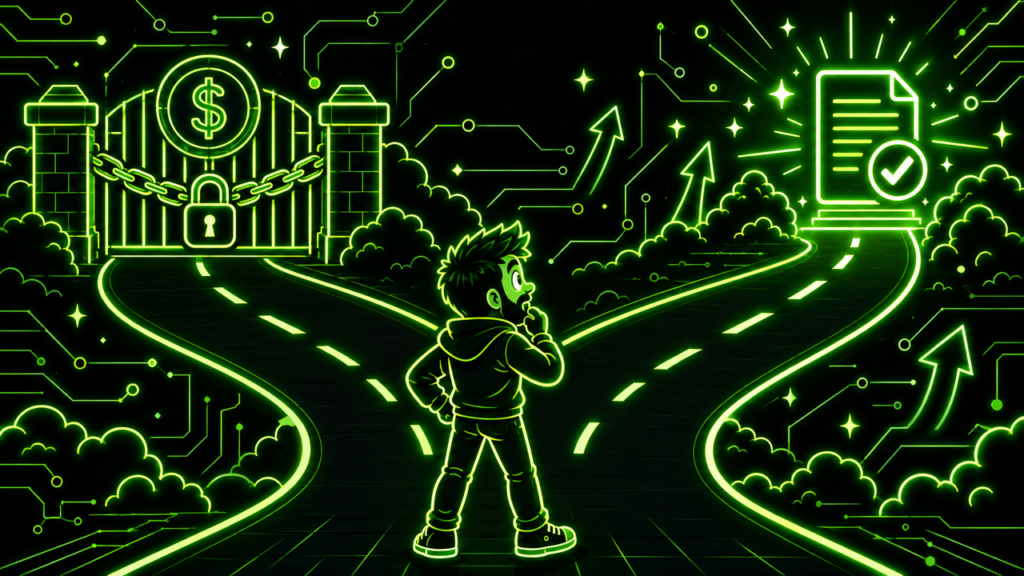
Perplexity’s choice contrasts with OpenAI, which began showing ads in ChatGPT in 2026 in labeled boxes below answers. The industry is now split between ad-supported and ad-free AI assistants, and marketers need different approaches for each.
Perplexity ads vs ChatGPT ads
| Factor | Perplexity ads | ChatGPT ads |
|---|---|---|
| Format | Sponsored follow-up questions and side media | Labeled box below the answer |
| Launch | November 2024 test | 2026 rollout |
| Current status | Wound down | Expanding by region |
| Who saw them | US users during the test | Free and Go plan users |
| Effect on answers | Perplexity generated sponsored answers itself | OpenAI says ads do not influence answers |
The two programs show different bets on the same question: can ads live inside AI answers without hurting trust? Perplexity decided the risk was too high for its product, while OpenAI chose clear separation and strict labeling.
Alternatives to Perplexity ads
If your goal was to reach Perplexity’s research-minded audience, several channels can help.
- Organic citations in Perplexity, which are free and visible to every user.
- Paid placements in other AI assistants that sell ads, where available.
- Search ads on Google, where many of the same buyers still search.
- Reddit ads and organic Reddit participation, since Reddit threads are cited widely across AI tools.
- Sponsorships with newsletters, podcasts and publishers that your audience reads and that AI tools cite.
Our guide to AI citations explains how citations work across the major assistants.
Can you still advertise on Perplexity?
For most brands, no native paid placement exists. With Perplexity ads wound down, the realistic routes to Perplexity users are organic.
- Get cited as a source in Perplexity’s answers.
- Get mentioned in the third-party sources Perplexity cites, such as reviews, articles and community threads.
- Work with publishers that Perplexity cites often in your category.
- Reach Perplexity’s audience through other channels they use, such as search, communities and newsletters.
If Perplexity changes course in the future, any new ad program would likely be announced publicly. Check Perplexity’s official channels before assuming a paid option exists.
How to show up on Perplexity without ads
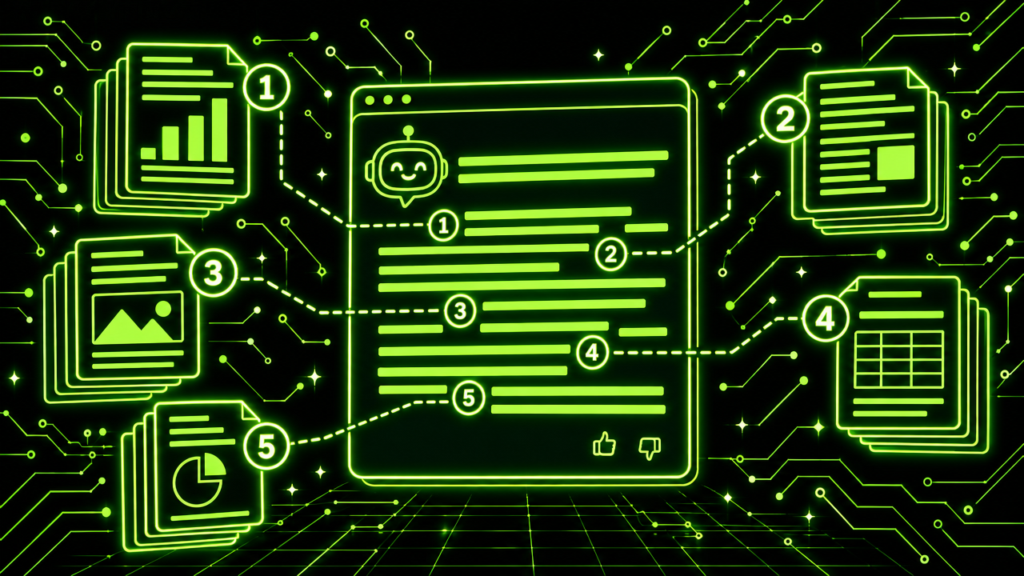
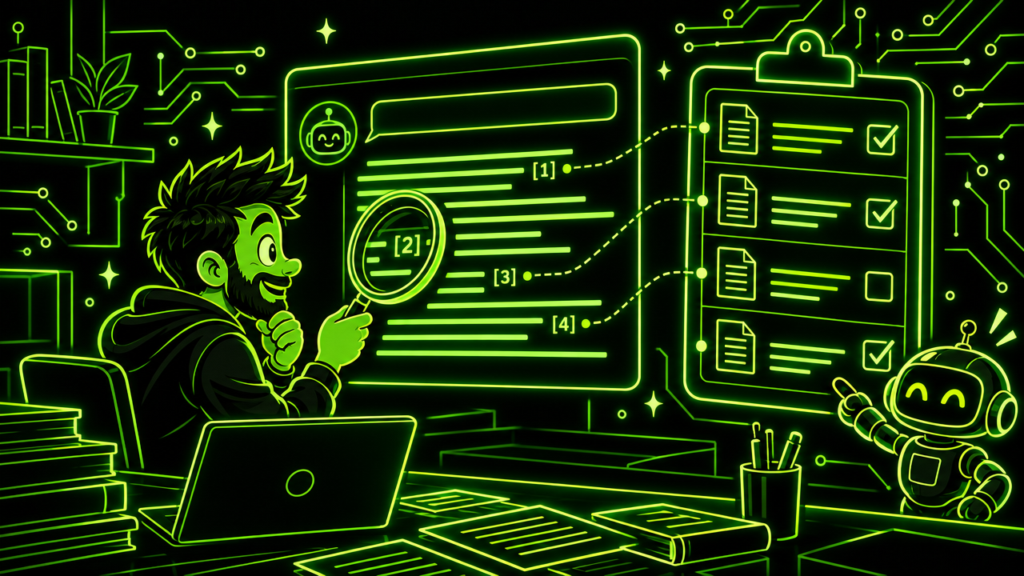
Perplexity cites its sources openly, usually as numbered references in the answer. That makes it one of the most transparent AI tools for seeing why a brand appears. Our full guide on how to rank on Perplexity goes deeper, but the core steps are below.
1. Make sure Perplexity can crawl you
Perplexity uses its own crawler, PerplexityBot. If your robots.txt or bot protection blocks it, your pages are unlikely to be cited.
2. Publish clear, factual answers
Perplexity favors passages that answer the question directly with specific facts. Open key pages with a short answer, then add detail, data and examples.
3. Keep content fresh
Perplexity often searches the web in real time. Recent, dated information tends to win for questions about prices, products and news.
4. Earn third-party mentions
Perplexity cites review sites, news articles, forums and community threads heavily. Being discussed positively in those places raises your chances of appearing. Reddit threads are a frequent source. Our post on Reddit and AI search explains why.
5. Publish original data
Surveys, benchmarks and original research give Perplexity something it cannot find elsewhere, which makes your page a natural citation.
6. Track your citations
Run a fixed list of buyer questions in Perplexity each month and record which sources it cites. Our guide on prompt tracking shows how.
Perplexity ads vs organic citations
| Factor | Perplexity ads (when they ran) | Organic citations |
|---|---|---|
| Placement | Sponsored follow-up question or side unit | Numbered source inside the answer |
| Availability now | Wound down | Open to any brand |
| Cost | Paid, on impressions | Time and content investment |
| Trust signal | Labeled as sponsored | Reads as an independent source |
| Durability | Stopped when spend stopped | Lasts while content stays relevant |
A 60-day plan to get cited on Perplexity
Weeks 1 and 2: baseline
List 30 questions your buyers ask. Run each one in Perplexity and record which sources it cites and whether your brand appears. Check that PerplexityBot can reach your site.
Weeks 3 and 4: fix your best pages
Rewrite the openings of your ten most important pages so they answer the question directly. Add specific numbers, dates and examples. Update anything stale.
Weeks 5 and 6: earn outside mentions
Look at the third-party sources Perplexity cites most for your questions. Pitch the ones that accept contributions or reviews, and take part in relevant community threads from a disclosed account.
Weeks 7 and 8: publish something original
Release a small piece of original data, such as a customer survey or benchmark. Promote it to the publishers and communities you identified. Then rerun your 30 questions and compare with your baseline.
How to tell if information about Perplexity ads is current
Many articles about Perplexity ads were written during the 2024 launch and never updated. Before acting on any guide, check its date, look for mentions of the 2026 wind-down and confirm with Perplexity’s official channels. An article that tells you how to buy sponsored questions today is probably out of date.
What the Perplexity ads story means for marketers
Perplexity’s experience offers a few lessons for anyone planning AI search strategy.
Paid placements in AI answers are not guaranteed
AI companies are still deciding how, or whether, to sell ads. Programs can launch, change or end quickly. Building your plan only on paid AI placements is risky.
Trust is the product
AI assistants compete on the quality and neutrality of their answers. That pushes them to keep paid content visibly separate or out entirely, which raises the value of organic citations.
Organic visibility works across assistants
The work that earns citations in Perplexity, such as clear content, third-party mentions and original data, also helps in ChatGPT, Google AI features, Gemini and Claude. Our overview of AI answer engines compares how each one picks sources.
Why Perplexity still matters without ads
The end of Perplexity ads does not make Perplexity less important for marketers. Its users still ask detailed questions about products, vendors and services, and every answer cites sources by number. Being one of those sources puts your brand in front of a research-minded reader at the moment they are forming an opinion.
Perplexity’s openness about sources also makes it a useful testing ground. Because you can see exactly which pages it cites, it shows you which publishers, review sites and communities shape answers in your category. That insight carries over to other assistants that are less transparent.
Working with the publishers Perplexity cites
Perplexity has partnered with publishers in various ways, and it cites established outlets often. For brands, the practical step is to find the outlets that appear most in your category’s answers and build real relationships with them.
- Offer data, expert quotes or case studies that make their articles better.
- Pitch reviews or inclusion in comparison pieces that already rank.
- Correct factual errors about your brand politely, with evidence.
- Sponsor newsletters or events where that is allowed and clearly disclosed.
Coverage in a cited publication can earn you a mention inside Perplexity’s answers, which is the organic equivalent of what Perplexity ads tried to sell.
Measuring your Perplexity visibility
Track three numbers each month: how often your brand is mentioned across your tracked questions, how often your own pages are cited, and which third-party domains appear most. Add referral visits from perplexity.ai in your analytics. Our guide to the AI visibility score shows how to combine these into one trend line.
Lessons from Perplexity ads for any AI ad program
Whatever AI assistant you advertise in next, the Perplexity ads experience suggests a few rules. Keep the offer closely tied to the user’s question. Expect measurement to lag behind mature ad platforms. Be ready for programs to change quickly. And never treat paid placement as a replacement for being cited in the answer itself, since that is where users place their trust.
What agencies should tell clients about Perplexity ads
Clients often ask whether they should buy Perplexity ads after reading older coverage. A clear answer saves time: the native program has been wound down, so there is nothing to buy today. Redirect the conversation to what drives visibility in Perplexity now. Show the client which sources Perplexity cites for their top questions, where they appear and where competitors appear instead. Then propose a plan built on content, citations, community presence and publisher relationships. That plan also improves visibility in other AI assistants, which makes it a better use of budget than waiting for Perplexity ads to return.
Common mistakes
- Planning budget for Perplexity ads without checking whether a program exists.
- Blocking PerplexityBot and then wondering why you are never cited.
- Relying on old articles that describe Perplexity ads as active.
- Ignoring the third-party sources Perplexity cites for your category.
- Treating one Perplexity answer as a full picture instead of tracking over time.
Key takeaways
- Perplexity ads launched in late 2024 as sponsored follow-up questions and side placements.
- Perplexity wound the program down and confirmed the shift away from advertising in early 2026.
- There is no broadly available native ad product on Perplexity for brands today.
- Organic citations are the main way to reach Perplexity users.
- The work that earns Perplexity citations also improves visibility in other AI assistants.
Frequently asked questions
Does Perplexity have ads?
Perplexity tested ads from late 2024 and then wound the program down. As of 2026, there is no broadly available native ad product for brands.
What were Perplexity sponsored questions?
They were suggested follow-up questions that an advertiser paid to place, labeled as sponsored. Perplexity generated the answers, not the brand.
How can I reach Perplexity users without ads?
Earn citations by publishing clear, factual content, allowing PerplexityBot, keeping pages fresh and building mentions in the sources Perplexity cites.
Why did Perplexity stop running ads?
Executives said ads risked undermining trust in Perplexity’s answers, and the company chose to focus on subscriptions and enterprise products.
Were Perplexity ads expensive?
Reports during the test described pricing on a cost-per-thousand-impressions basis, aimed at larger advertisers. Since the program wound down, there is no current public price.
Do Perplexity ads still appear anywhere?
Perplexity has said it moved away from advertising. If you see something that looks like a sponsored placement, check whether it is an organic citation or a partner feature before drawing conclusions.
Is Perplexity ad-free now?
Perplexity has said it moved away from advertising to protect trust in its answers, focusing on subscriptions and enterprise products instead.
Could Perplexity ads come back?
Possibly, but nothing has been announced. Check Perplexity’s official channels for current information before planning any spend.
Want to see where your customers are already asking? Get a free Reddit Opportunity Report showing which Reddit threads already rank for your keywords.